Introduction
The three pillars of sustainability are Social Sustainability, Economic Sustainability and Environmental Sustainability.
- Social in film relates to the health and wellbeing of cast and crew. Heating/lighting and ventilation of workspaces is just as important as professional development, fair work practice and social inclusion.
- Economic Sustainability in the film sector would include the continuity of work, the empowering and support of indigenous Film businesses and the circular support of the communities we work within.
- For many, Environmental Sustainability is the most pressing. The process of filmmaking can, on one hand, provide an incredible boost to a local economy but on the other it consumes so much ‘energy’ over its life cycle, that it has the potential to have a negative environmental impact. ‘A single film technician typically generates up to 2.5 tonnes of carbon on an eight-week shoot, or 32 tonnes per year.’ Melanie Dicks 2009 Nurturing the Greenshoots of sustainable filming | Sponsored | Broadcast (broadcastnow.co.uk)
'The industry has come a long way since this Melanie Dicks interview in 2009, but it still has room to improve. A recent article in The Guardian stated that, ‘the average film is estimated to produce 500 tonnes of CO2 emissions – as much as running 108 cars for a year’ (Phil Hoad 2020)
As an industry we have a responsibility to be innovative, embrace new ecologically friendly technologies and choose best practice when it comes to sustainability.
To begin with, each production should assign a sustainability manager whose role is to identify the sustainability goals for the production, prioritise the areas that need attention and communicate and collaborate with all cast and crew to embrace positive strategies. Productions should reach out to suppliers with a view to exploring sustainable options. Together, through close collaboration and mutual effort, everyone has the tools to make positive choices for the environmental sustainability of the production.
Managing Sustainability For Your Production
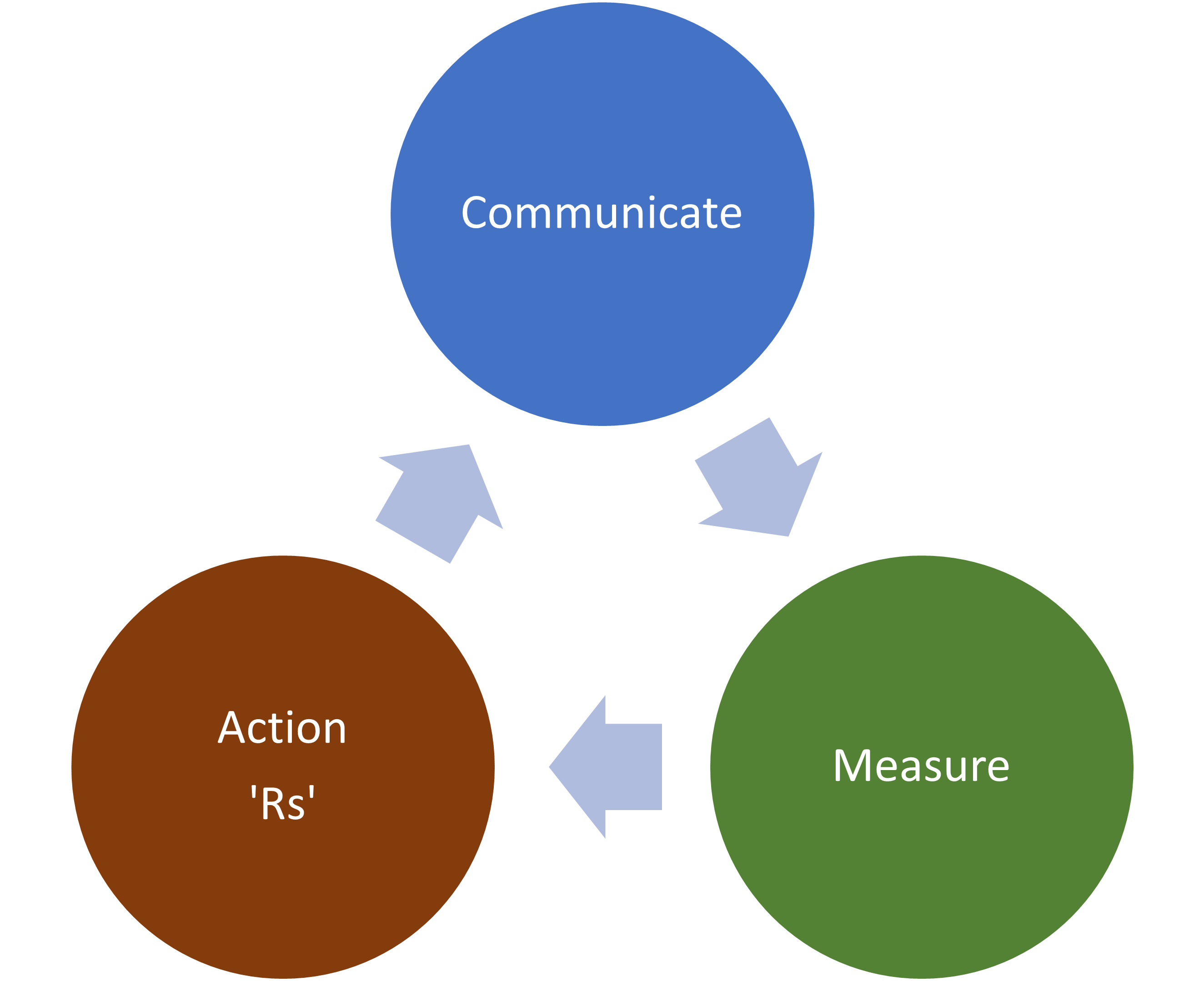
The three steps to manage sustainability for your production is Communicate, Measure and Action
Communicate
Encourage you team or crew to make sustainable choices- one could identify a team green leader in each department to help encourage the productions sustainability agenda. Key areas to consider are energy use, buying/sourcing choices, and waste disposal.
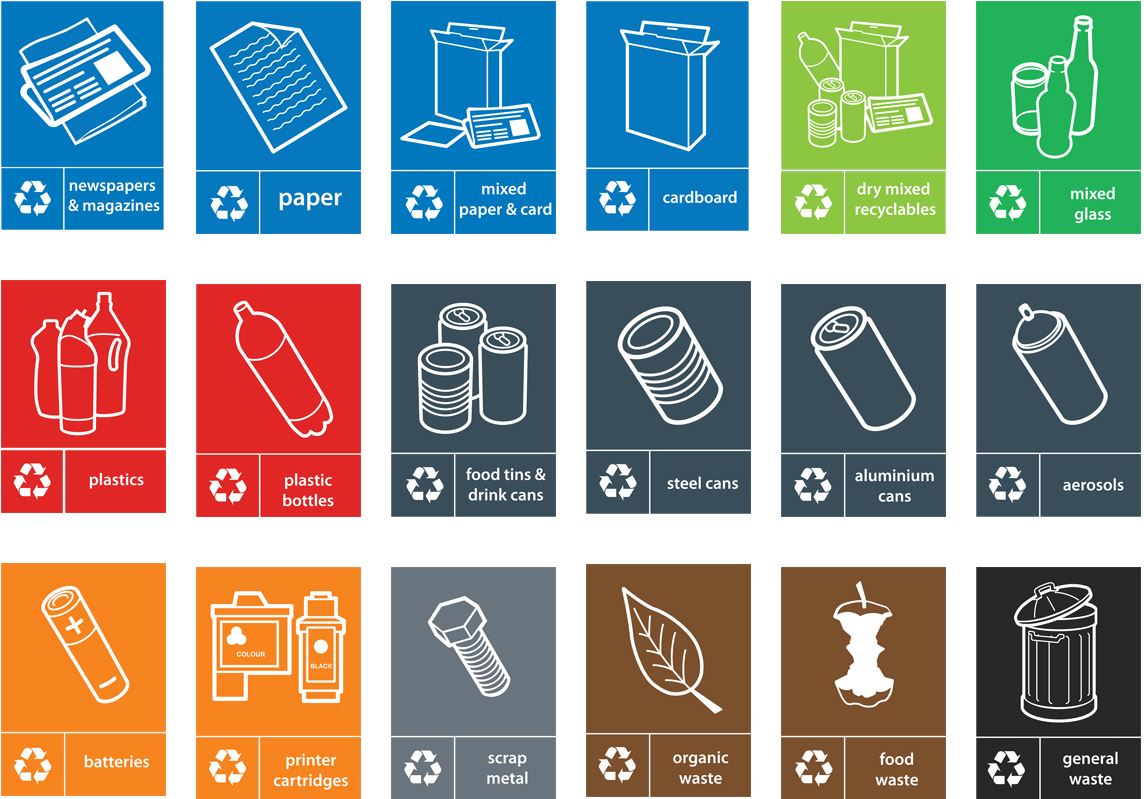
On a production consider the embodied carbon of the products/equipment/materials you are buying. Use posters and infographics to show everyone where they can effect change. Simple signage at waste collection points around the office/stage/workshop/location site can be effective in encouraging and reminding crew to separate their waste appropriately.
Download key labels / signs and sustainable production infographics below:

Measure
Take control of your carbon footprint, use the calculator as a tool. Sign up to Albert, in pre production use the tool to forecast your co2 emissions. Implement a plan and set targets for your production - commit to those changes and produce your show. Track the data and upload it to Albert.
Action
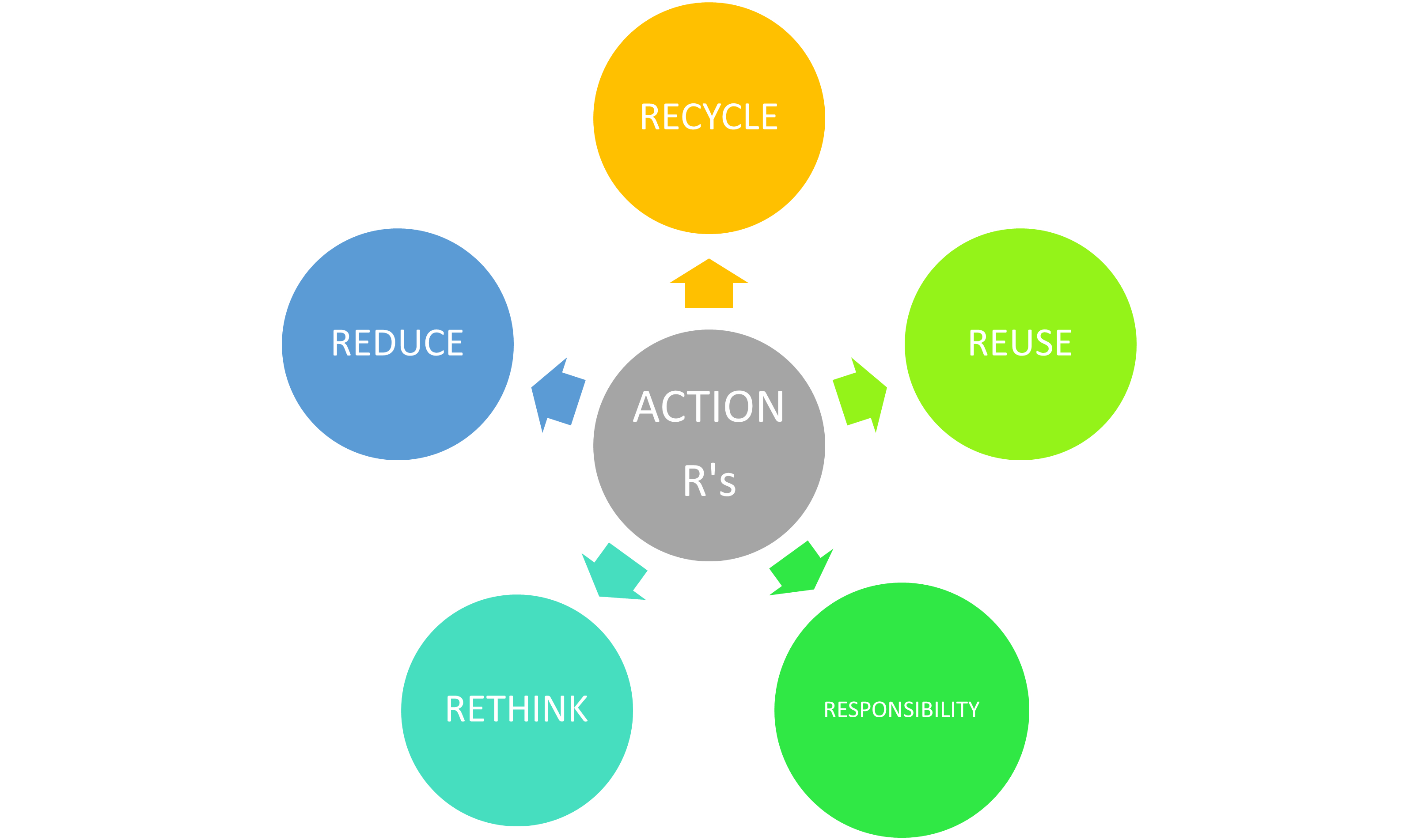
Remember to think about the five ‘R’s’
Reduce - reduce your energy use - reduce your use of harmful materials
Recycle - Recycle / separate and manage waste
Reuse - reuse whenever possible
Responsibility - take responsibility
Rethink - consider alternative sources of energy/materials- design for reuse/repurpose- be innovative
Green best practice EU:
Sign Posting To Green Best Practice In Audiovisual Production
Waste Prevention: Environmental Protection Agency, Ireland (epa.ie)