Introduction
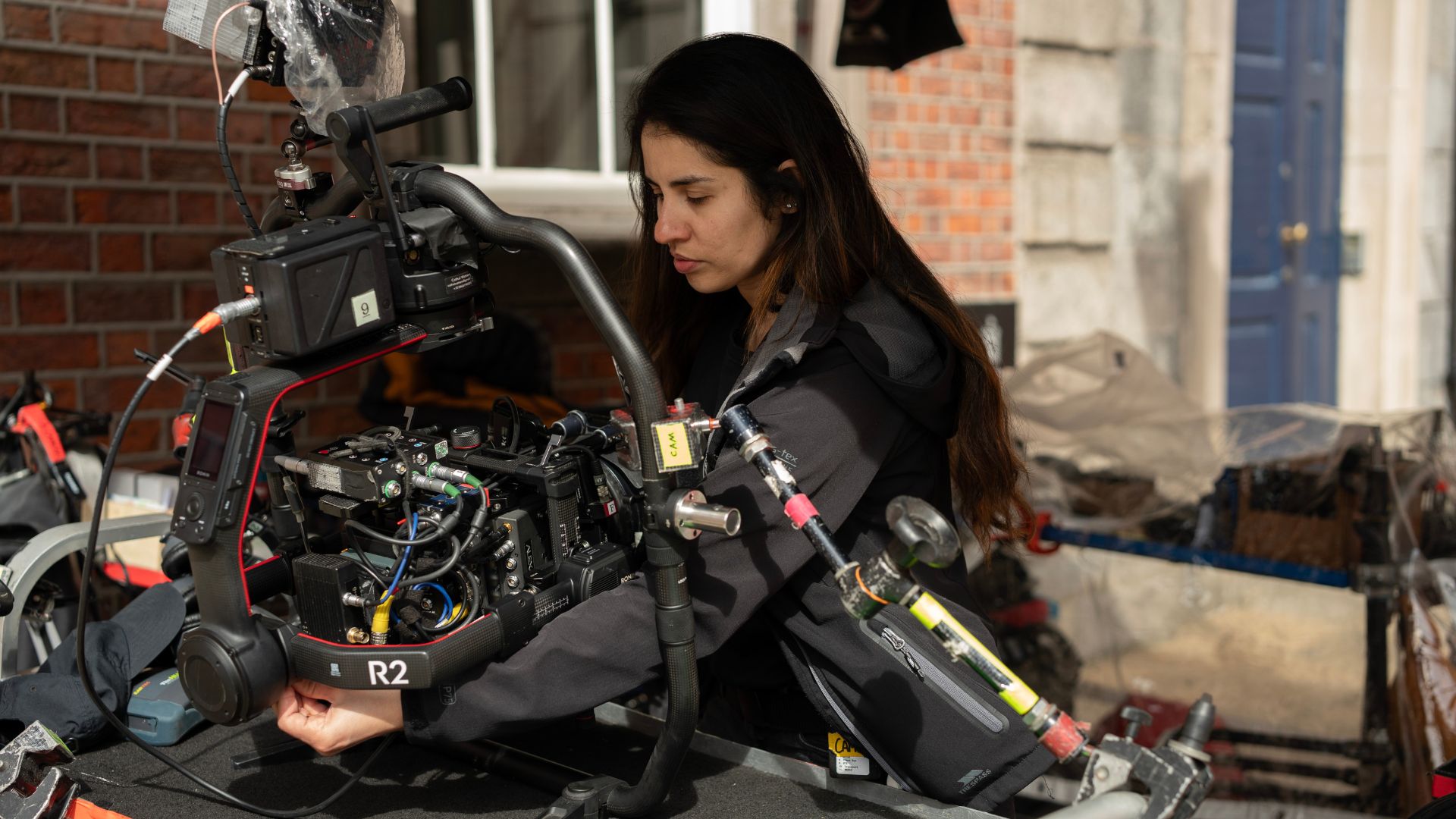
Camila Gomes, originally from Brazil, arrived in Ireland nine years ago with a determination to learn English. Initially a photographer with a background in advertising, she decided to follow her interests and enrolled in a film course at the Bray Institute of Further Education. Camila’s initial taste of working on set was shadowing a Director of Photography (DOP) in a commercial shoot.
Even in college, they don't tell you what it is like on set, or how the departments work. A colleague on a commercial I was working on helped me and told me places to look for work. I reached out to production offices for internships and Vikings responded and offered me a week-long opportunity.
Work Placement Experience
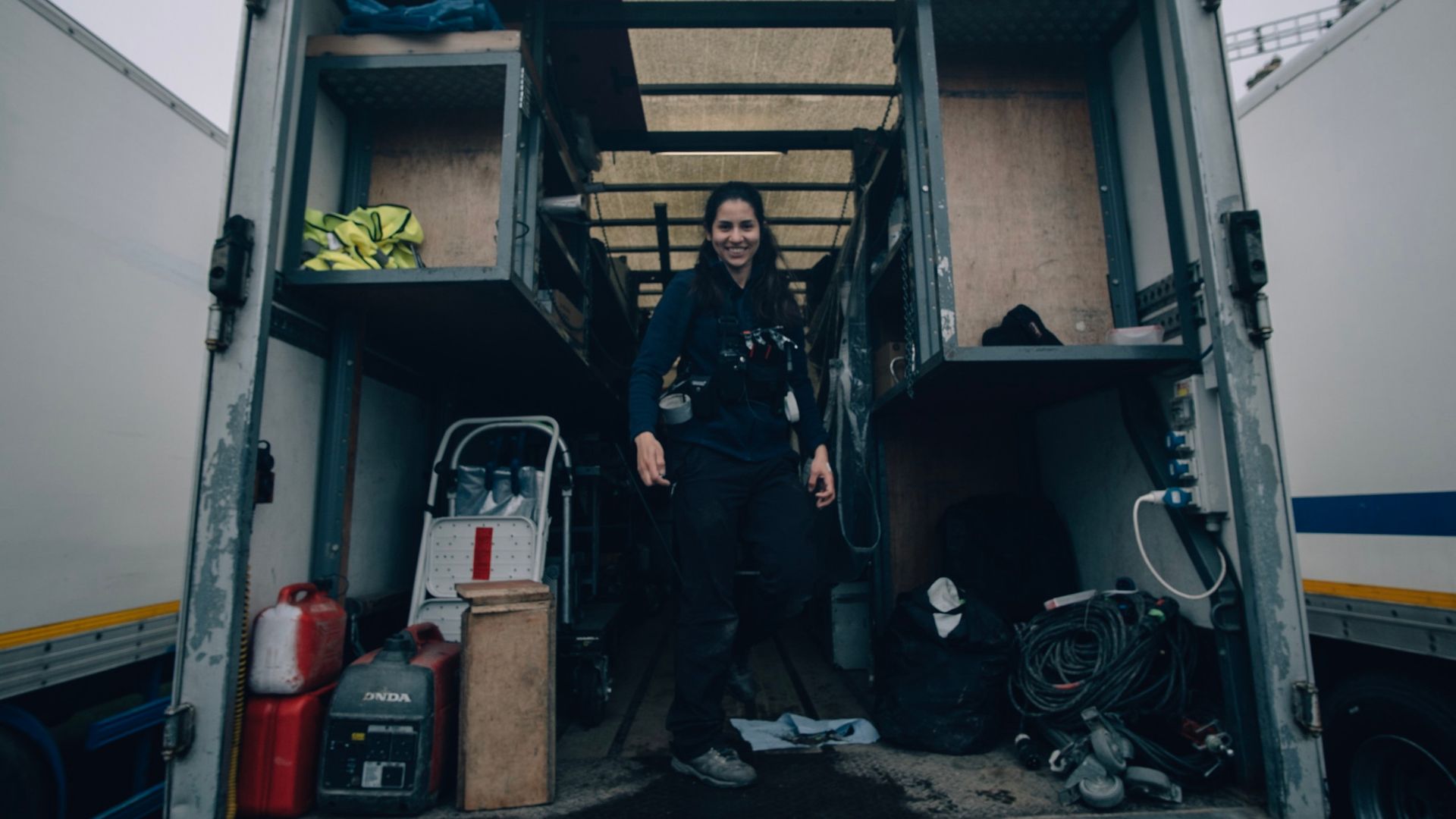
During that week-long work placement on Vikings, Camila proved herself and impressed Alan Butler, the 1st Assistant Camera (1st AC), who gave her a dailies contract. This marked the start of Camila's journey in the film industry. Despite the hurdles, from language barriers to understanding the intricate dynamics of the camera department, she exhibited an eagerness to learn and adapt. Her early experiences as a dailies worker and later as a camera trainee laid the foundation for her growth within the industry.
The hardest challenges I faced were on the big sets with four cameras at the same time. You have to listen to everyone on radios, they all sound the same, for everyone, but particularly being a foreigner, and you don’t always know what they are asking for. You have to ask them and sometimes have to guess! They need to be patient with you, but once you learn it, you get it forever.
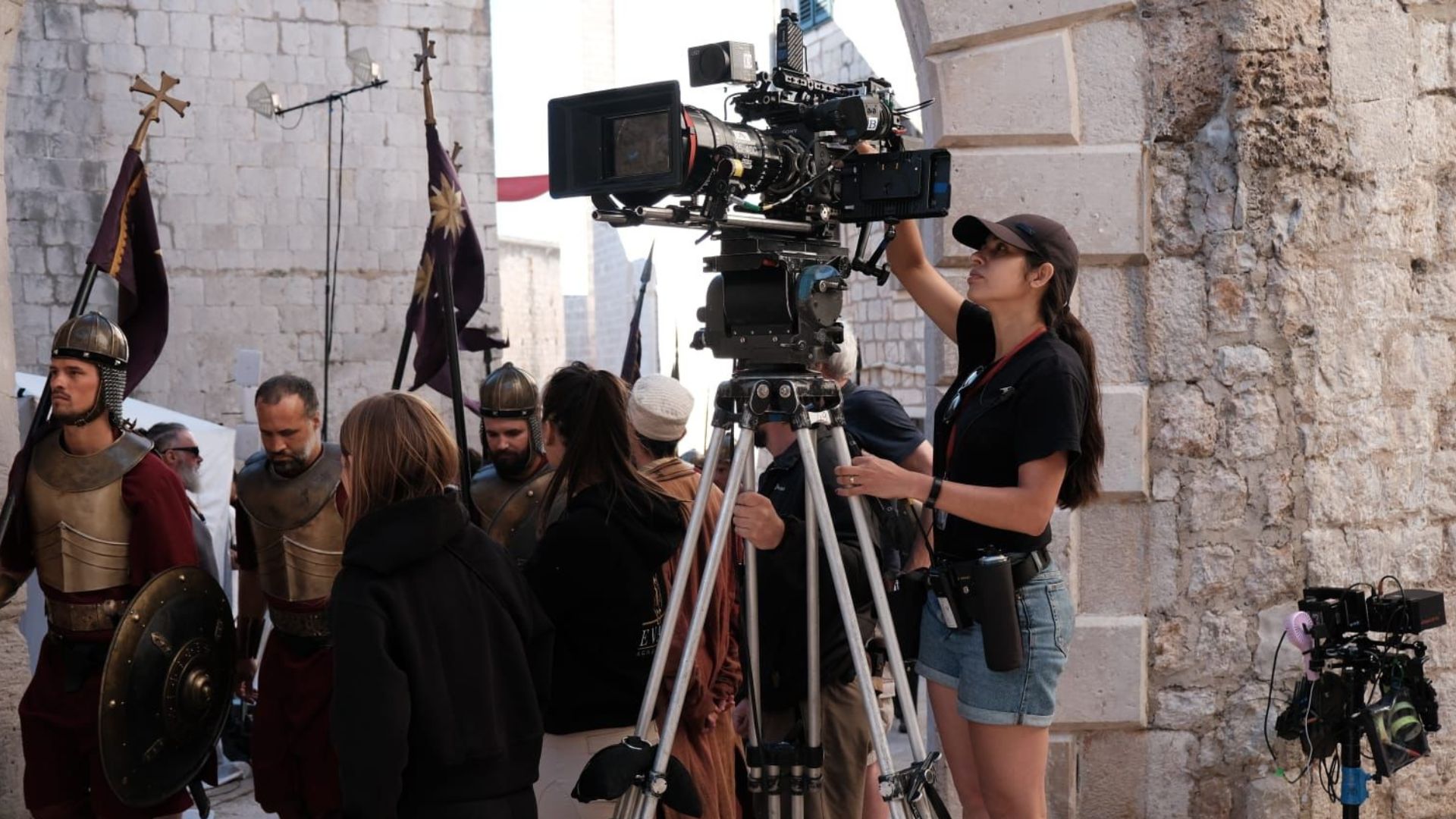
During season 3 of Vikings: Valhalla Camila served as a camera trainee, where she immersed herself in various aspects of camera operations. She took on the role of a 1st AC on certain days, learning to manage camera equipment and learn focus pulling. However, her primary role, spanning over 70% of the production, was as 2nd Assistant Camera (2nd AC), where she was responsible for calling marks and orchestrating setup changes across multiple camera units. Camila continued to upskill in Steadicam setup and assisted the operator on production.
Camila’s eagerness to learn and delve deeper underscores her commitment to advancing her proficiency in camera operations. She has a relentless pursuit of excellence in the camera department. As a mentor to new entrants she demonstrated remarkable patience and skill, navigating the demands of the department with finesse.
– Catherine Tiernan, Producer
On-the-job Learning & Supervising New Entrants
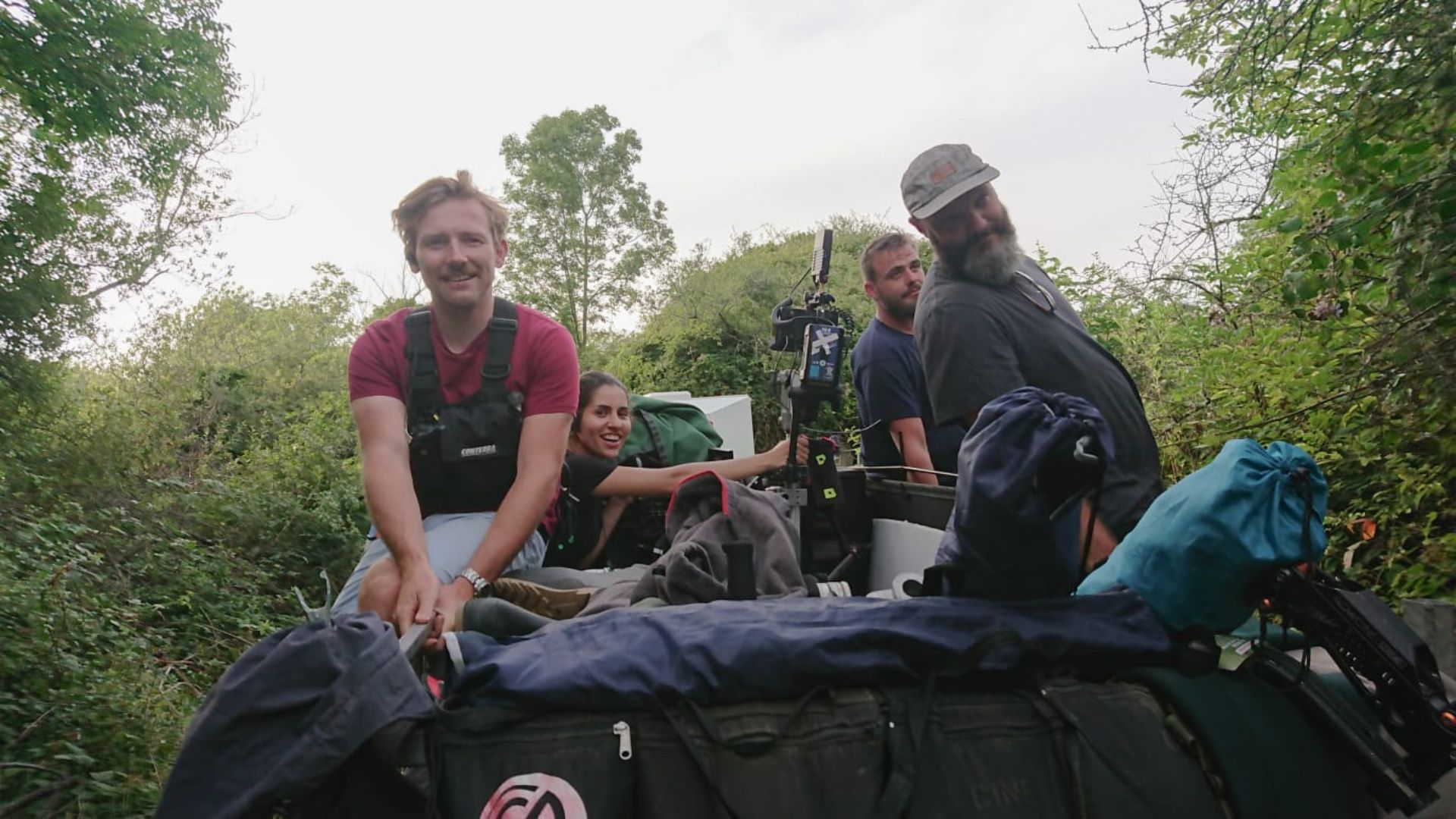
On her approach to supervising trainee camera assistants, Camila reflects on her own journey, emphasising the significance of on-the-job learning and acknowledging that the nuances of the role are best grasped through practical experience.
I think the only real way to know the role is through on-the-job learning. One thing I did for myself and still do, is to write down everything I am learning and the things that I want to learn.
Throughout the productions she has worked on, Camila has documented her own learning experiences, maintaining a comprehensive record of equipment and terminology to facilitate her growth and that of her team. Camila actively supervisors trainees, imparting knowledge and ensuring they feel confident and competent in their roles. She believes this approach creates an environment where newcomers feel supported and encouraged to grow. As a supervisor, she guides trainees throughout the production and mentors them in areas such as camera assembly, on-set etiquette, calling marks and equipment management. She highlights the importance of teamwork and efficiency, ensuring that trainees are well-prepared to support the crew seamlessly.
I do this, so that we work more quickly and better as a team. It means that the 1st AC can focus on their job when I organise everything. I know the challenges that the trainees face especially in large-scale productions where it can be overwhelming.
Section 481 Supporting Skills Development
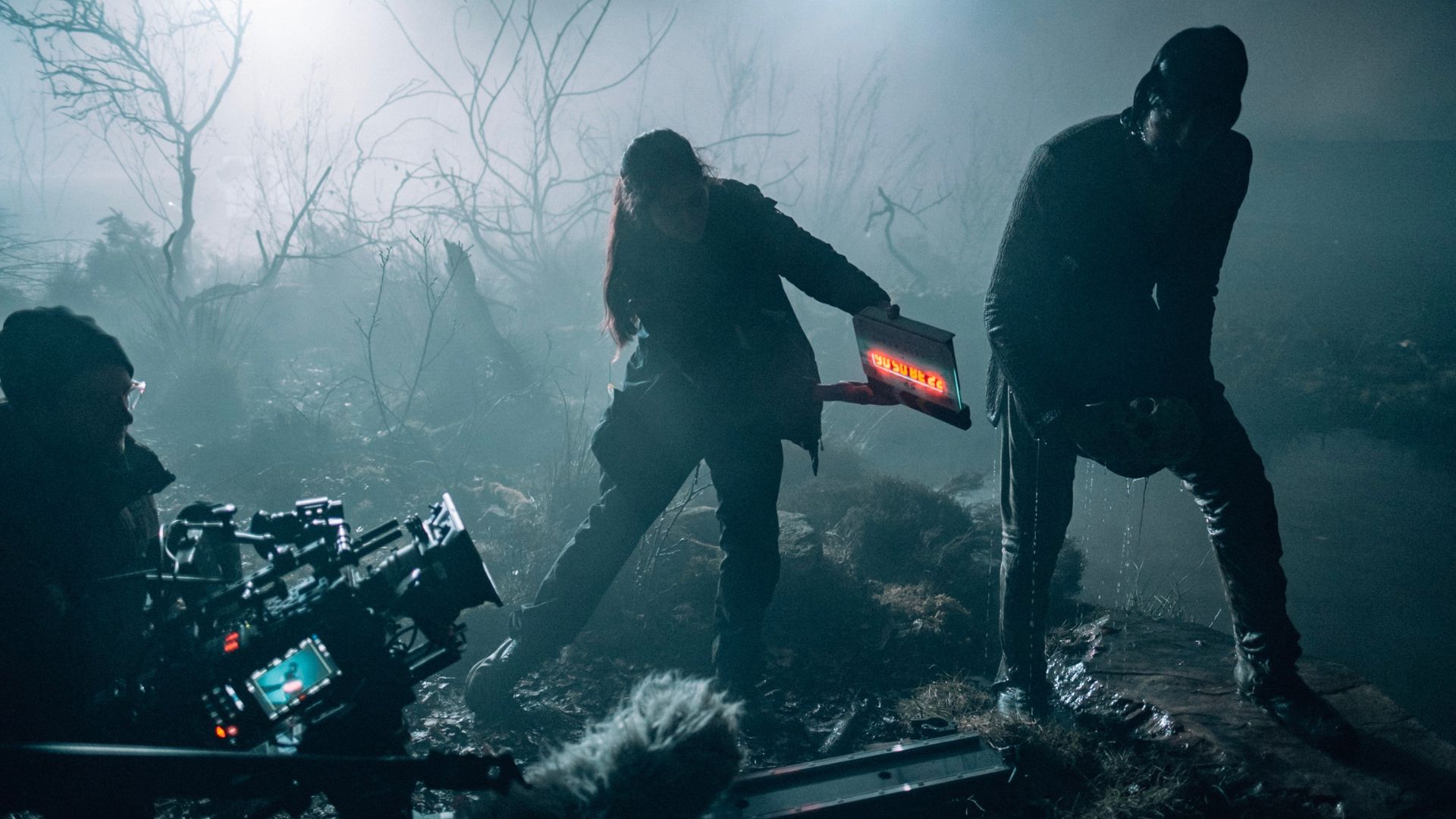
Drawing from her own beginnings, as a supervisor Camila gives encouragement and empowerment, reinforcing the belief that mastery of the craft is attainable through guidance and dedication. Camila acknowledges the significance of Section 481 in Ireland's film industry especially in highlighting its role in enhancing skills development and training as well as inclusivity for aspiring filmmakers.
It's great to have the government incentive to have trainees on set. I believe that, unlike other countries, Ireland has proven that by investing in the film industry we grow faster and stronger.
Camila advocates for Screen Ireland's structured approach to tracking trainee progress, emphasizing the importance for accountability and support mechanisms within the industry, ensuring that aspiring talents have the resources they need to thrive in their careers.
Career Progression
Camila's career from a trainee to a respected 2nd AC exemplifies the values of dedication, kindness, and inclusivity within the screen industry. She hopes her story will serve as an inspiration for aspiring filmmakers and highlight the importance of mentorship and skill development for a vibrant and diverse industry. As she continues her progression in the camera department, her advice to new entrants is:
Listen, be proactive and be humble. If you want to learn, people will take their time to teach you and if you are proactive you will learn fast. Also, don't be a gatekeeper. Share your knowledge. That is how we all got to where we are. It ultimately helps the whole team progress and learn.
Camila's journey is marked by significant milestones with her work on productions such as Vikings :Valhalla, The Tourist and most recently Small Town, Big Story. Her ultimate goal is to become a Director of Photography (DOP) and she continues to work towards this ambition by seeking opportunities to learn and expand her skill set. Camila has been DOP for a number of shorts including her latest Cores, directed by Lucy L, which will be released later this year.