Three Stream Waste Systems
Through Glon Recycling, recycling and compost bins were made accessible around the set and production offices.

Abigail was one of the first films to participate in Universal Filmed Entertainment Group’s recently launched GreenerLight Program, an initiative focused on embedding sustainability across the entire filmmaking process through development, production and distribution.
It was great to work with a studio that is putting serious resources into sustainability efforts. Universal allowed us to work with new vendors, trial new technologies to reduce cardon emissions, and work with different suppliers to reduce waste.
- Daragh Goan, Sustainability Advisor on Abigail
While filming in Dublin, Ireland in the summer of 2023, sustainability on Abigail was an all-hands-on deck initiative. Production executives across Universal Pictures, the Universal Monsters team, the Radio Silence directing team, Producers, department heads, on-screen talent, and more acknowledged the importance of sustainability across the production. They also had the support of Fís Éireann/Screen Ireland who help to ensure that the local film industry is provided the tools and resources to be sustainable. The team prioritized behind-the-scenes efforts through reductions of fuel, energy, and waste, and on-screen efforts through incremental shifts in character behaviors. In aggregate, these efforts fostered significant change.

After 57 days of shooting, the efforts made by the Abigail production team made a substantial difference in terms of resource conservation and emissions reductions.
Throughout production, a wide range of initiatives were implemented behind the scenes, including no idling policies, reducing thousands of plastic water bottles, and partnering with Circular Costume Ireland to help keep materials out of landfill. Below are just a few of the key metrics from practices set forth during production:
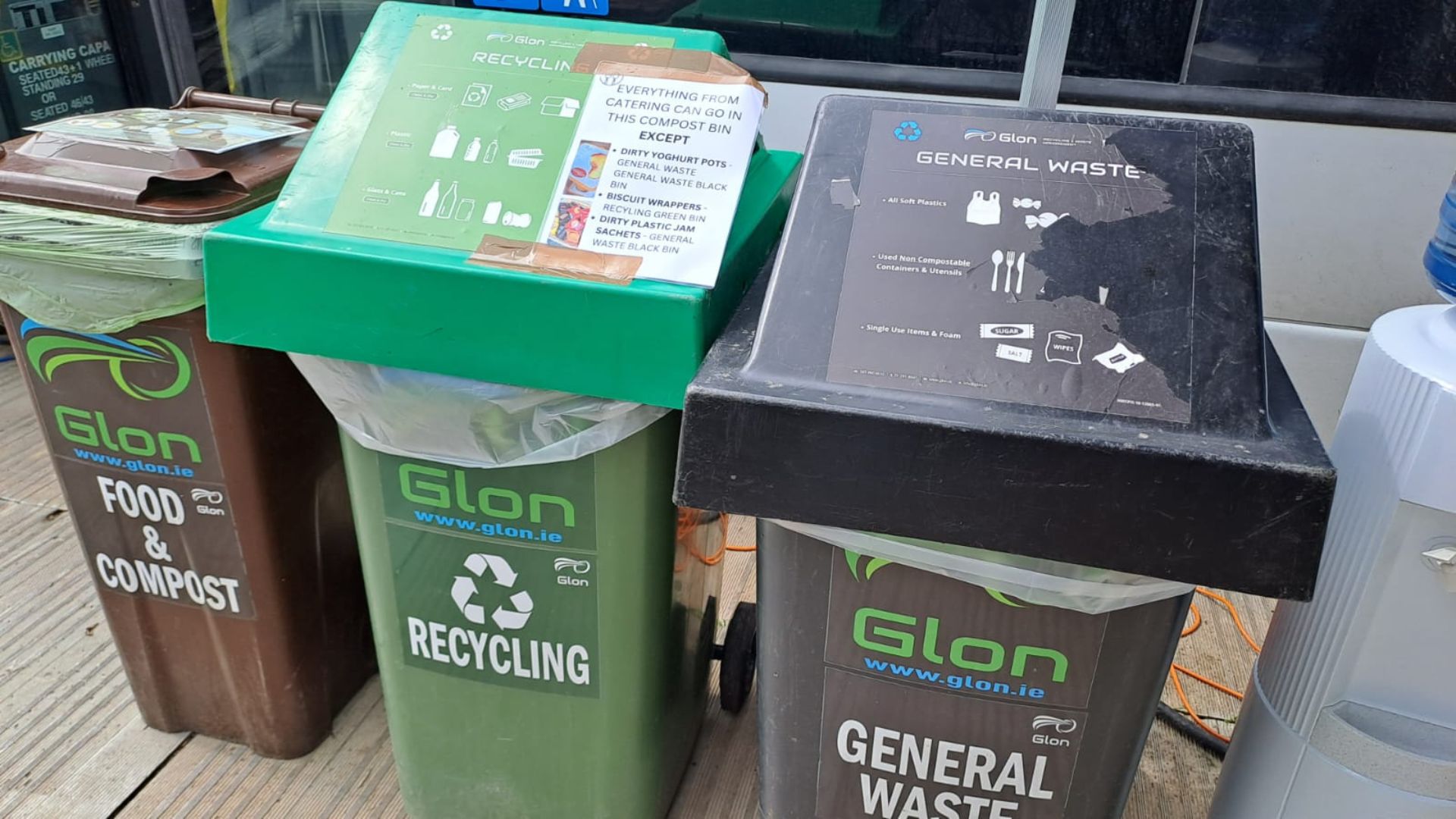
Through Glon Recycling, recycling and compost bins were made accessible around the set and production offices.
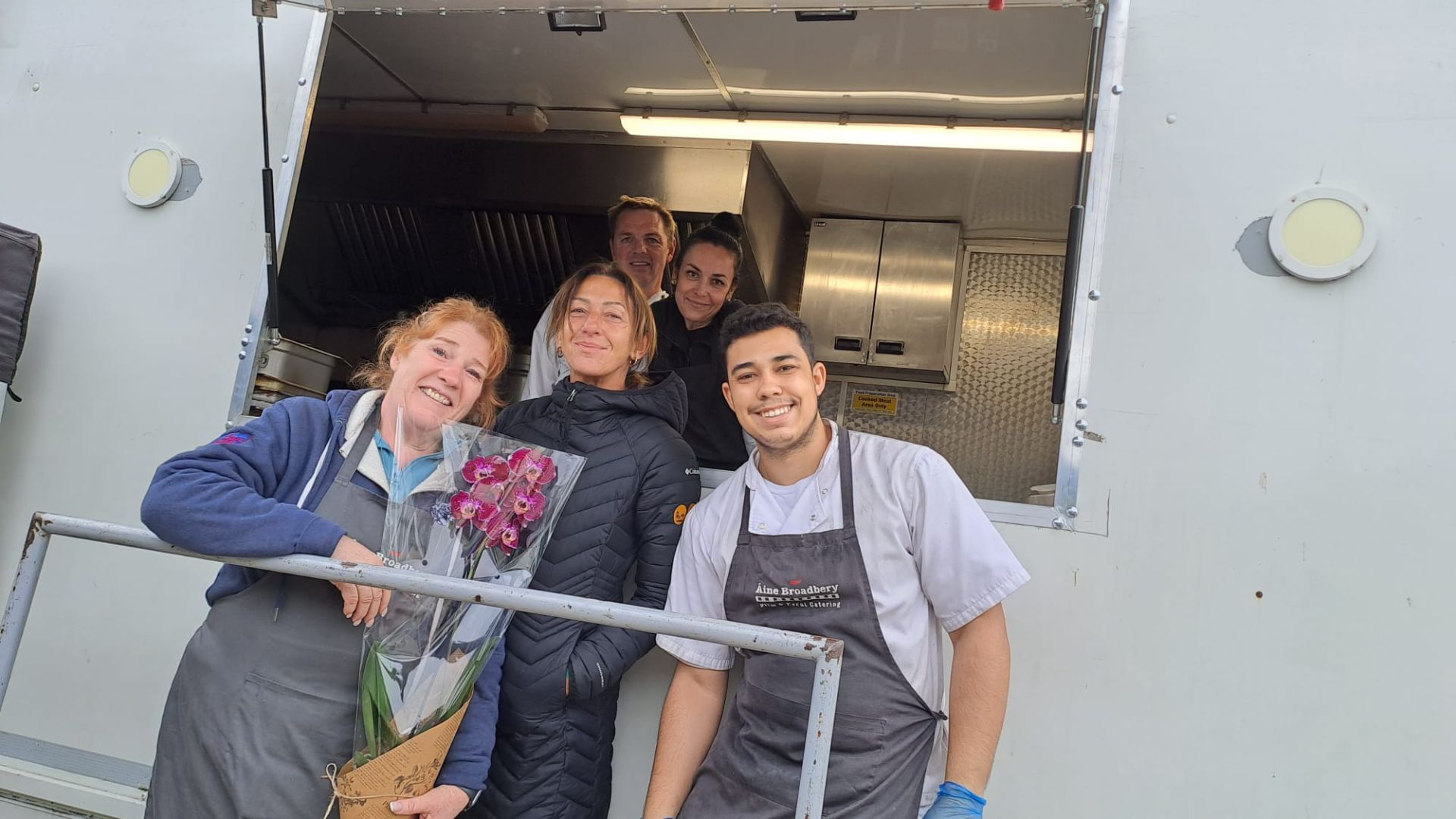
Excess food was donated to those in need through a partnership with the Olio mobile app.

Hybrid generators were used to run mostly on battery power, minimising air pollution for a healthier filming environment.
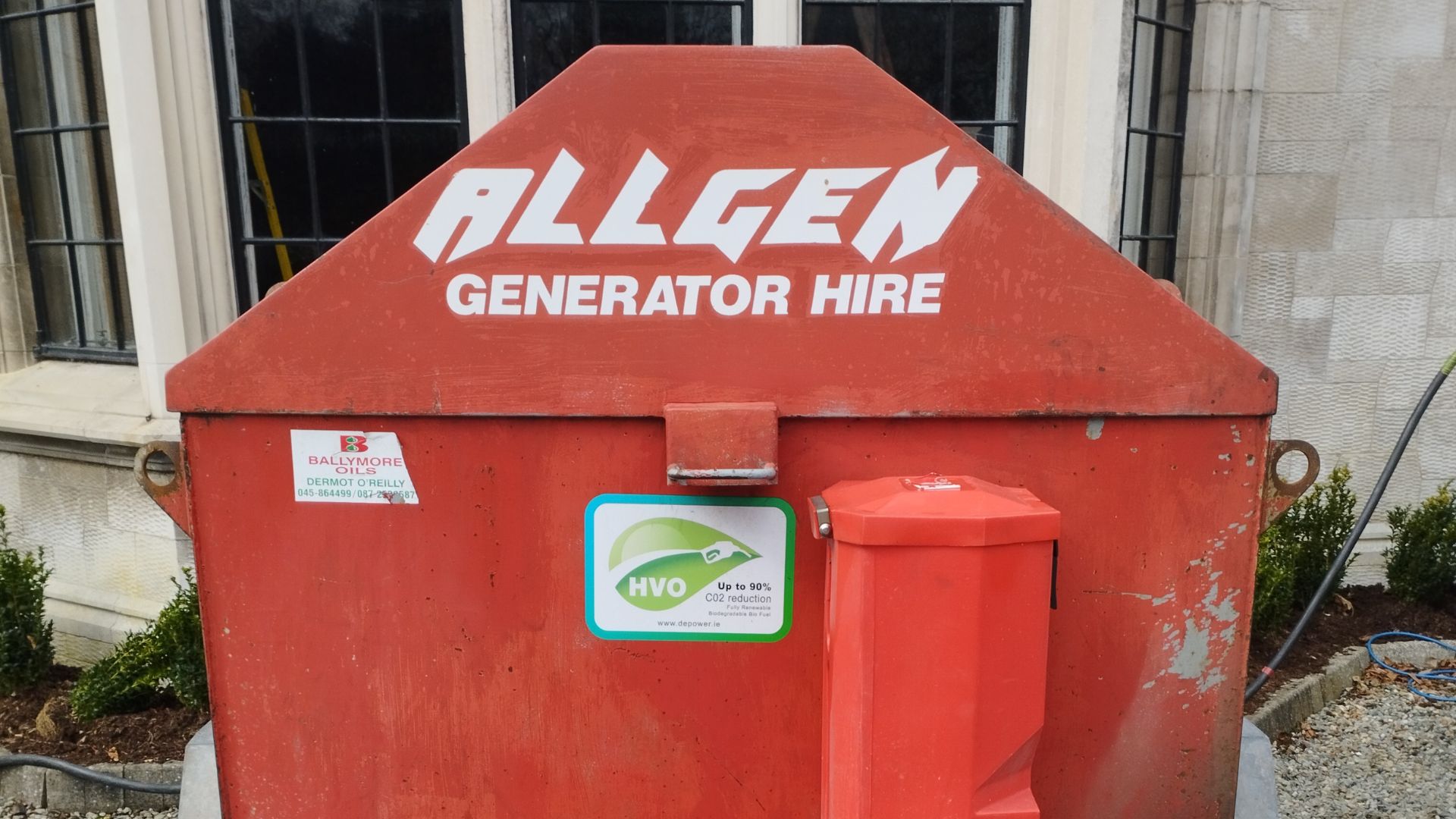
All generators on-site ran on HVO (Hydrotreated Vegetable Oil), i.e. renewable diesel, a low-carbon fuel alternative to conventional diesel.
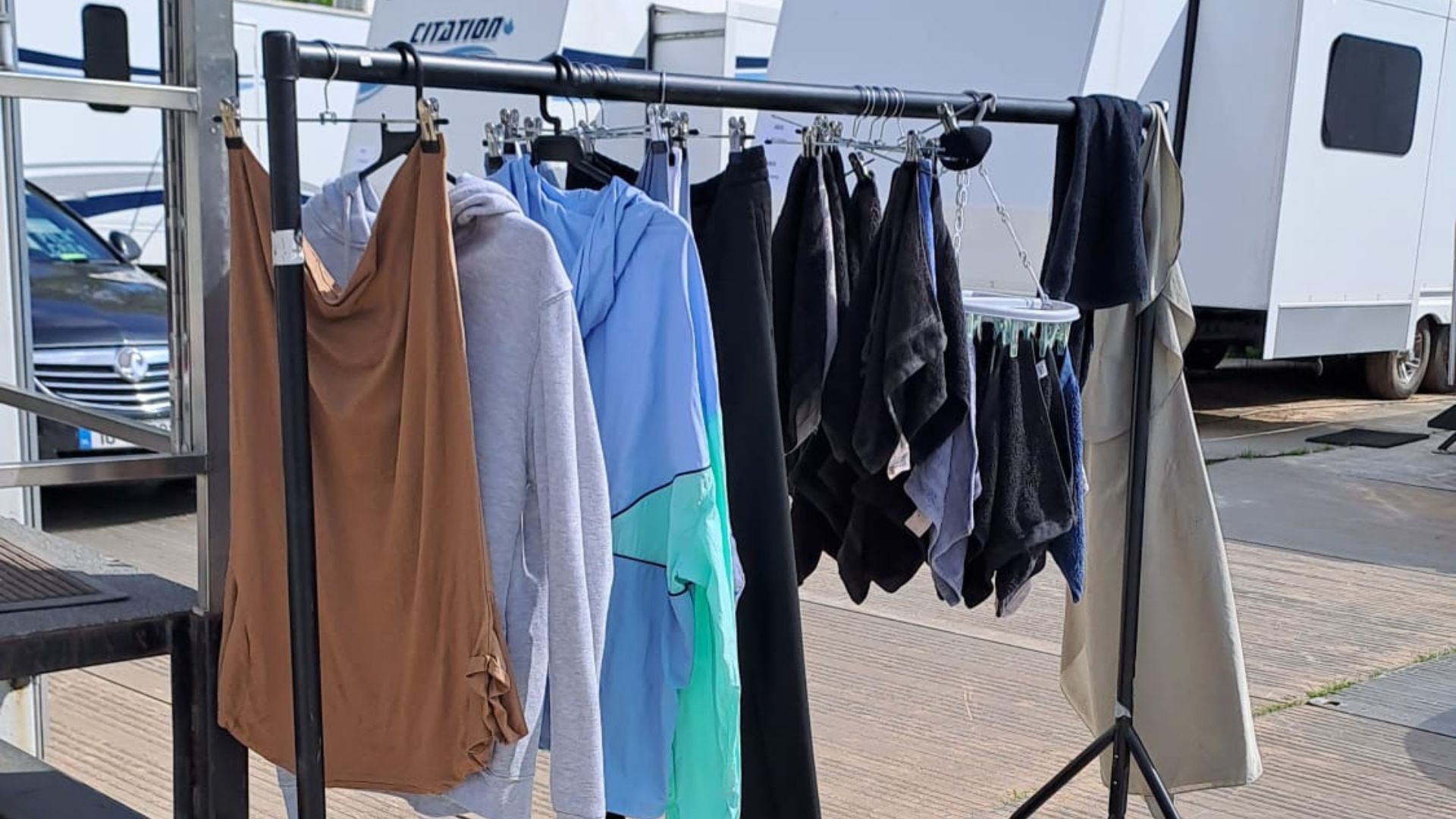
Departments were encouraged to rent instead of buying new; for items purchased, crew donated excess to local organisations.
Throughout the lifecyle of a film there is the opportunity to reach hundreds of people on set, as well as millions on screen.
In addition to opting in for a sustainability script review identify on-screen opportunities, the production participated "Lights, Camera, Plastic?" campaign by Habits of Waste, which aims reduce portrayal single-use plastics film and television. By replacing plastic props with reusable alternatives, sought denormalize plastics. In addition to opting in for a sustainability script review identify on-screen opportunities, the production participated "Lights, Camera, Plastic?" campaign by Habits of Waste, which aims reduce portrayal single-use plastics film and television. By replacing plastic props with reusable alternatives, sought denormalize plastics.
From the beginning, the Radio Silence directing team got involved by joining the production’s sustainability kick-off meeting. They also sent a personalized sustainability memo out to cast andcrew which helped to show their encouragement for people to feel empowered to innovate and reduce their impact.
The sustainability team sent out weekly newsletters updating cast and crew on the initiatives as well as providing helpful resources and education. They also ran a “Department of the Week” competition, which helped create some friendly competition, incentivizing people to get on board with initiatives and collectively changing behaviors. Additionally, they participated in community impact such as the Earth Day Clothing Collection run by the Irish Sustainability Guild.
In addition to this case study which lays out some of their efforts, the team also captured behind the scenes footage and interviews to help tell their story through video to help inspire future filmmakers. This is a helpful way to engage talent and crew so they can talk about their efforts and why they feel sustainability is important in the film and TV industry.
Location choices can be a vital part of sustainability on a production, whether it be power availability or proximity from set to basecamp. Overall, fewer locations equals fewer moves, which can reduce transportation emissions significantly.
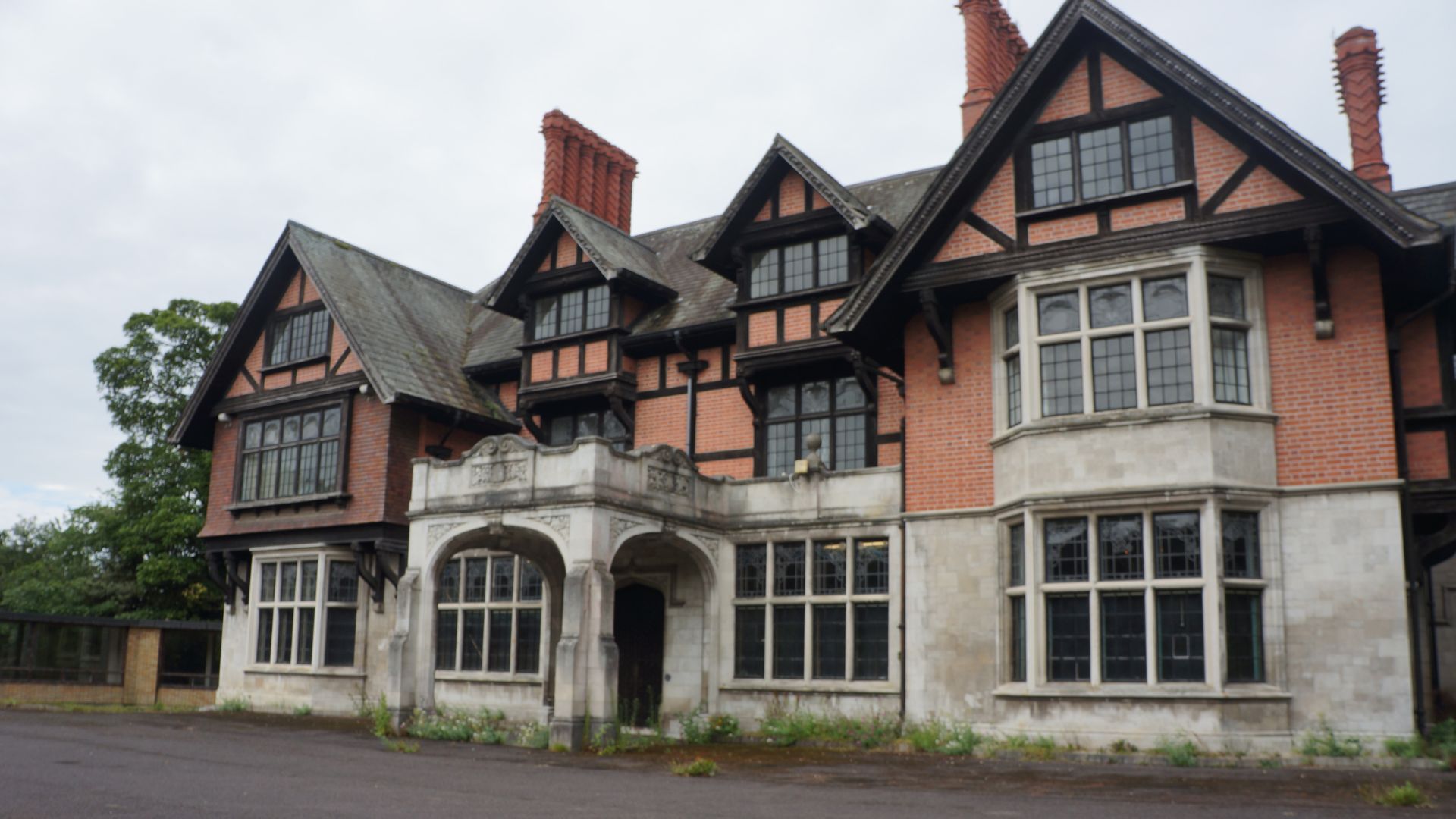
As the primary location for filming, this consolidated location contributed to emission reduction and allowed for the use of sustainable technologies like hybrid generators.

Filming took place across three stages, in addition to housing the main production office, construction mill and workshops. Sustainable practices included energy-efficient LED lighting, waste separation, and incorporating reusable materials where possible.
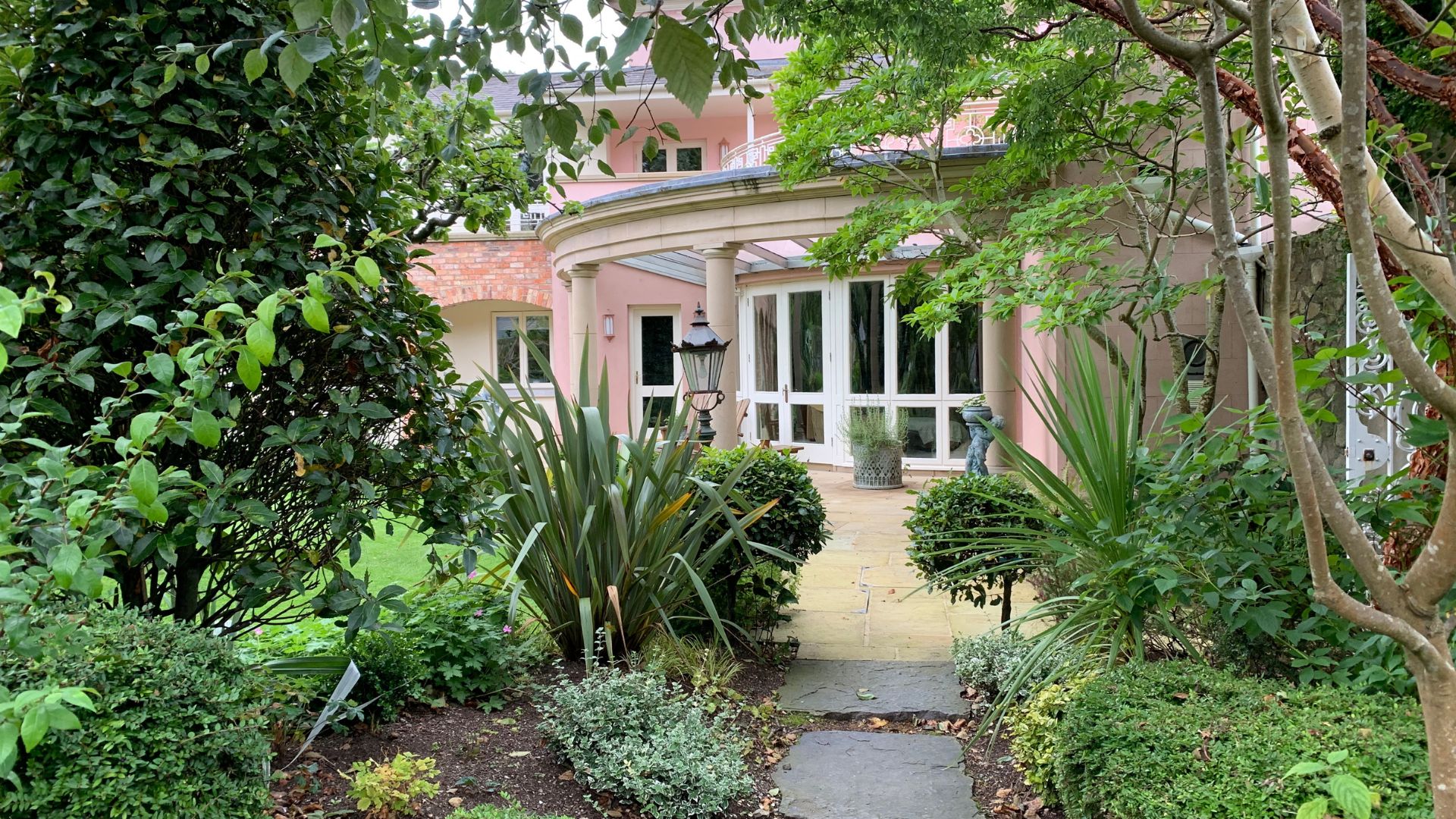
This location's proximity to other sites facilitated the success of the food donation program with Olio.

Sustainability on Abigail showcases the film industry's potential to reduce its environmental impact through conscious choices both behind the scenes and on screen, especially when driven by top-down support. By prioritizing fuel and energy efficiency, reducing waste, and sourcing responsibly, this film provides thrilling, action-packed content, while minimizing impact on the planet, serving as an example for future productions to follow.
Launched in 2023, Universal Filmed Entertainment Group (UFEG)’s GreenerLight Program is an initiative focused on embedding sustainability across the entire filmmaking process through development, production and distribution.
Every greenlight package includes a film’s sustainability plan, ensuring that sustainability is considered from the beginning, including script development, locations and set needs, as well as on-screen behaviors. The initiative is in partnership with the longstanding NBCUniversal Sustainable Production Program, which tackles issues highlighted in this case study such as food and set material donations, fuel reduction and energy efficiency.